

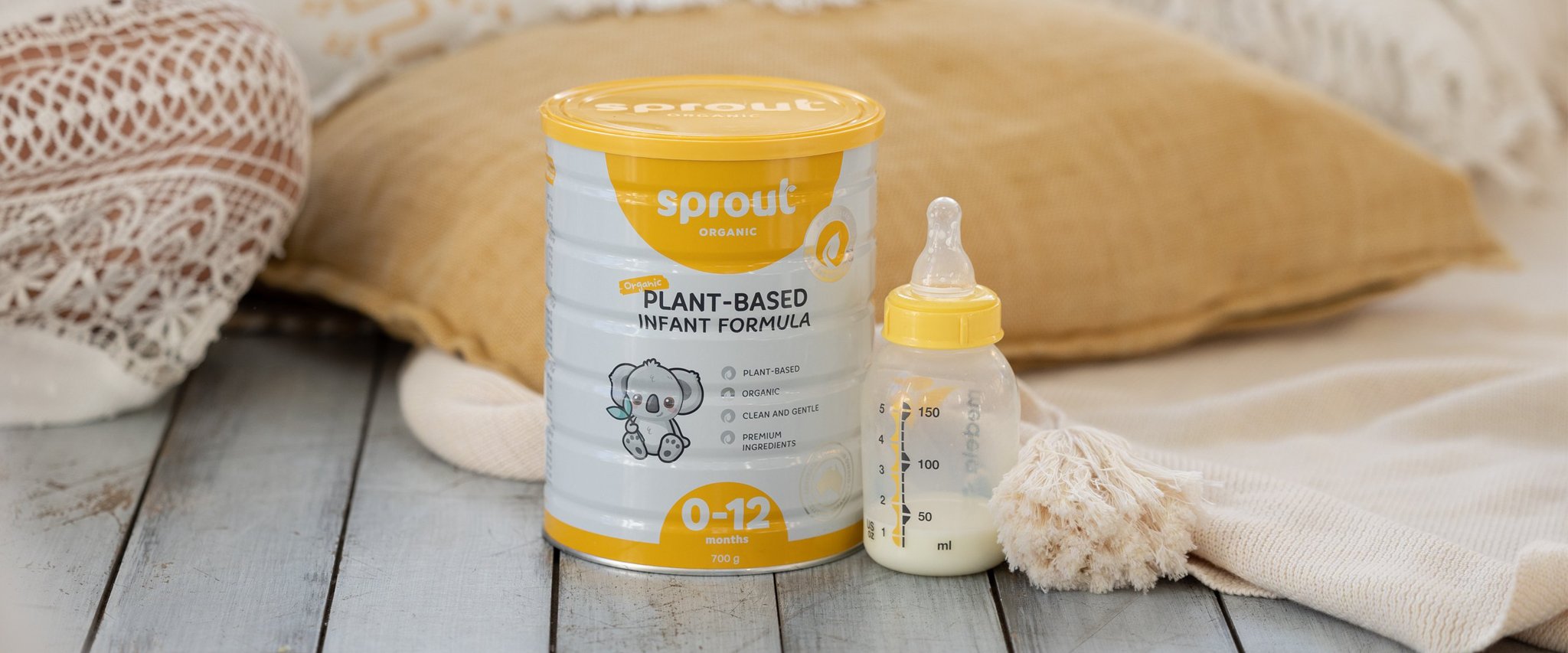




Optimising Gut Health in Toddlers: Why It Matters
by Monica Rundle, APD | Accredited Practising Dietitian | Plant Based Family Nutrition
The first three years of life represent one of the most significant windows of opportunity in human health — not just for growth and development, but for the lifelong establishment of the gut microbiome. As a dietitian specialising in gastroenterology and family nutrition, this is one of the areas I am most passionate about helping parents understand. The research here is compelling, and the practical implications for what we feed our toddlers are profound. This blog explores the science of toddler gut health:
- what the microbiome is
- why this early window matters so much
- which nutrients and food groups are key, and;
- practical ways parents can support a thriving gut ecosystem from the inside out
1. What Is the Gut Microbiome — and Why Do Toddlers Have a Unique One?
The gut microbiome refers to the vast community of trillions of microorganisms — primarily bacteria, but also fungi, viruses, and archaea — that colonise the gastrointestinal tract. Far from being passive passengers, these microbes actively participate in digestion, immune regulation, metabolic function, and even brain development. In adults, the microbiome is relatively stable. In toddlers, it is still being actively shaped — and this is where the opportunity lies. Research shows that the composition of the gut microbiome undergoes its most rapid and consequential development during the first 1,000 days of life (from conception to approximately age two). By the toddler years (ages one to three), the microbiome is transitioning towards an adult-like profile, but remains highly responsive to dietary influences. A landmark study published in Nature demonstrated that the diversity and composition of the toddler microbiome is strongly associated with long-term health outcomes, including risk of allergic disease, obesity, metabolic syndrome, and inflammatory bowel disease (Gensollen et al., 2016; Tamburini et al., 2016).
Key Research Finding
- Children with greater microbial diversity in early life have lower rates of eczema, asthma, and food allergy.
- Early microbiome disruption is linked to increased long-term risk of IBD, type 1 diabetes, and obesity.
- Diet is the single most modifiable driver of microbiome composition after infancy.

2. The Critical Window: Why Early Life Matters
The toddler microbiome is not simply a smaller version of the adult microbiome — it is a dynamic, developing ecosystem with particular vulnerabilities and particular opportunities. Several biological realities make this window uniquely important.
2a. Immune System Education
Approximately 70–80% of the immune system resides in or around the gut. During the toddler years, the gut-associated lymphoid tissue (GALT) is actively 'learning' to distinguish between harmful pathogens and harmless food antigens. The microbiome plays a central role in this immune education process.
Animal models and human observational studies consistently show that microbiome disruption during early life — whether through antibiotic exposure, low dietary fibre intake, or insufficient microbial diversity — is associated with immune dysregulation and a higher incidence of both allergic and autoimmune conditions (Cahenzli et al., 2013).
2b. The Gut–Brain Axis in Development
One of the most exciting areas of emerging science is the bidirectional communication pathway between the gut and the brain — the gut–brain axis. This axis operates via the vagus nerve, immune signalling molecules, and microbially-produced neurotransmitters including serotonin, GABA, and short-chain fatty acids (SCFAs).
Around 90% of the body's serotonin is produced in the gut, and early microbial colonisation has been shown to influence the development of serotonergic pathways in the brain (Yano et al., 2015). There is growing evidence linking early gut dysbiosis with increased risk of anxiety, ADHD, and autism spectrum traits — though causal relationships remain an active area of investigation.
For parents, the practical message is clear: what your toddler eats is not just feeding their body. It is feeding their developing brain.
2c. Metabolic Programming
The toddler microbiome also plays a role in metabolic programming — the process by which early exposures set the 'thermostat' for energy regulation, appetite signalling, and insulin sensitivity. Key microbial metabolites including butyrate, propionate, and acetate (produced through fermentation of dietary fibre) have been shown to influence adipogenesis (creating new fat cells), appetite-regulating hormones such as GLP-1 and PYY, and systemic inflammation in ways that track into adulthood (den Besten et al., 2013).
3. Key Dietary Drivers of a Healthy Toddler Gut
Dietary fibre is the cornerstone of microbiome health at every life stage — but the type, variety, and food matrix in which it is delivered matters enormously in toddlers.
3a. Dietary Fibre: Diversity Over Quantity
In adults, guidelines recommend 25–38 g of fibre daily. Toddlers aged 1–3 years have an adequate intake of around 14 g per day — but the reality is that most Australian toddlers fall well short of this.
More important than total quantity, however, is fibre diversity. Different fibre types (soluble, insoluble, fermentable, resistant starch) feed different microbial species and promote the production of different metabolites (by products). Emerging research uses the term 'dietary fibre diversity' — and data from the American Gut Project suggest that eating 30 or more different plant foods per week is associated with significantly greater microbiome diversity (McDonald et al., 2018).
For toddlers, this means a rainbow of plant foods — not just a handful of favourites — matters more than any single 'superfood'.
3a. Dietary Fibre: Diversity Over Quantity
In adults, guidelines recommend 25–38 g of fibre daily. Toddlers aged 1–3 years have an adequate intake of around 14 g per day — but the reality is that most Australian toddlers fall well short of this.
More important than total quantity, however, is fibre diversity. Different fibre types (soluble, insoluble, fermentable, resistant starch) feed different microbial species and promote the production of different metabolites (by products). Emerging research uses the term 'dietary fibre diversity' — and data from the American Gut Project suggest that eating 30 or more different plant foods per week is associated with significantly greater microbiome diversity (McDonald et al., 2018).
For toddlers, this means a rainbow of plant foods — not just a handful of favourites — matters more than any single 'superfood'.
Fibre-Rich Toddler Foods to Prioritise
- Legumes: lentils, chickpeas, black beans, edamame — excellent sources of prebiotic fibre
- Wholegrains: oats, quinoa, brown rice, wholegrain bread and pasta
- Vegetables with variety: broccoli, peas, sweet potato, carrots, beetroot
- Fruit: blueberries, kiwi, pear, mango, apple with skin
- Nuts and seeds (age-appropriate textures): nut butters, ground flaxseed, chia

3b. Prebiotics: Feeding the Good Bugs
Prebiotics are non-digestible food components that selectively stimulate the growth and activity of beneficial gut bacteria. The most researched prebiotic fibres include:
- FOS & Inulin: Fructooligosaccharides (FOS) and inulin — found in onion, garlic, leek, asparagus, and banana
- GOS: Galactooligosaccharides (GOS) — naturally present in legumes and human breast milk
- Resistant starch: Resistant starch — found in cooked and cooled potato, oats, green banana, and legumes
- Beta-glucan: Beta-glucan — the primary fibre in oats, associated with Bifidobacterium and Lactobacillus proliferation
It is worth noting that breast milk itself is an extraordinary prebiotic delivery system —
human milk oligosaccharides (HMOs) are the third most abundant component of breast milk and function almost entirely as a food source for the infant microbiome rather than for the infant itself. This is a remarkable evolutionary adaptation (Bode, 2012).
3c. Probiotics: When Food Comes First
Fermented foods are the most bioavailable natural sources of live beneficial bacteria. While supplemental probiotics have their place clinically (particularly post-antibiotic or in conditions like functional constipation and eczema), food-first is always the recommended approach. Toddler-friendly fermented food sources include:
- Full-fat natural or Greek-style yoghurt (look for 'live cultures' on the label)
- Kefir — plain, full-fat; can be blended into smoothies or used in baking
- Miso — a small amount stirred into warm (not boiling) soups or sauces
- Tempeh — a fermented soy product with excellent protein and fibre alongside probiotic benefit
- Sourdough bread — though heat kills live bacteria, the fermentation process alters the bread's structure beneficially
3d. Polyphenols: The Underrated Microbiome Modulators
Polyphenols are plant compounds with antioxidant and anti-inflammatory properties — and they also function as powerful modulators of the gut microbiome. Though largely unabsorbed in the small intestine, polyphenols are fermented by gut bacteria in the colon, producing metabolites that have been shown to selectively promote Akkermansia muciniphila and Bifidobacterium species — bacteria associated with gut barrier integrity and metabolic health.
Key polyphenol sources for toddlers include: blueberries, raspberries, dark cherries, purple/red grapes, plums, extra virgin olive oil and dark chocolate (save the choccy for parents only).
3e. Omega-3 Fatty Acids
Long-chain omega-3 fatty acids — particularly DHA (docosahexaenoic acid) and EPA (eicosapentaenoic acid) — play a role in gut barrier function and reducing intestinal inflammation. DHA is also critical for brain development and is particularly important in plant- based eating patterns where oily fish is not consumed.
In plant-based or mixed dietary patterns, dietary sources of ALA (alpha-linolenic acid, the plant precursor) include ground flaxseed, chia seeds, hemp seeds, and walnuts. However, the conversion of ALA to DHA is limited (< 10%), so algae-based DHA supplementation is often appropriate — particularly for toddlers on fully plant-based diets.
4. What Harms the Toddler Gut Microbiome?
Just as certain dietary patterns support a thriving microbiome, others can disrupt it — often in ways that are difficult to reverse without deliberate intervention.
4a. Ultra-Processed Foods
Ultra-processed foods (UPFs) — defined by the NOVA classification system as industrially formulated products with five or more ingredients and multiple additives — are now a dominant feature of the toddler dietary landscape in many high-income (and developing) countries. This is a significant concern from a gut health perspective.
UPFs are typically low in fibre, high in refined carbohydrates and added sugar, and contain a range of emulsifiers (such as carboxymethylcellulose and polysorbate 80), artificial sweeteners, and preservatives that have been shown in both animal models and emerging human studies to disrupt the gut microbiome, impair the mucus layer, and promote intestinal permeability ('leaky gut') (Chassaing et al., 2015).
4b. Antibiotic Exposure
Antibiotics are the most potent pharmacological disruptor of the gut microbiome. While sometimes clinically necessary, it is important for parents to understand that a single course of broad-spectrum antibiotics can reduce microbial diversity by up to 50%, with some species taking months to recover — and some never fully restoring (Dethlefsen & Relman, 2011).
When antibiotic use is unavoidable, dietetic support to rebuild the microbiome through targeted prebiotic and probiotic food strategies — and potentially supplemental Lactobacillus and Bifidobacterium species — is warranted.
4c. Low Dietary Diversity
Dietary diversity is one of the strongest predictors of microbiome diversity. Selective eating (common in toddlers) and restricted food variety — whether due to food refusal, caregiver anxiety, or limited food exposure — can narrow the range of microbial species supported. This is one reason why repeated, low-pressure exposure to a wide variety of plant foods from early life is so important, even when toddlers initially refuse them.
5. Practical Strategies for Parents: Building a Gut-Healthy Toddler Diet
The good news: you don't need to overhaul everything overnight. Small, consistent changes to variety and food quality compound meaningfully over the toddler years. Here are my top evidence-based strategies as a dietitian.
1. Aim for 20–30 different plant foods per week
Count every fruit, vegetable, wholegrains, legume, nut, and seed — each variety counts separately. A mixed grain bread with 5 seeds counts as 5. Frozen vegetables count. Convenience is fine.
2. Make legumes a daily staple
Legumes are the single most powerful prebiotic food group available in a toddler diet. Add lentils to pasta sauce, mash chickpeas into dips, stir black beans into rice. Aim for at least one legume-containing meal per day.
3. Introduce fermented foods early
Full-fat yoghurt with live cultures, kefir in smoothies, miso in soups — small, regular exposures build fermented food tolerance and preference over time.
4. Choose wholegrains over refined grains
Swap white bread for wholegrain, white rice for brown or mixed grain, regular pasta for legume or wholegrain varieties. These swaps increase both fibre quantity and diversity.
5. Make colour a non-negotiable
Different pigments in plants reflect different polyphenol families — aim for red, orange, yellow, green, blue/purple, and white plant foods across the week. More colour = more microbial diversity.
6. Minimise ultra-processed foods
This doesn't need to be perfect, but reducing the frequency and portion size of UPFs — packaged snacks, flavoured crackers, processed meats, sweetened drinks — makes meaningful space for microbiome-supportive foods.
7. Don't overlook healthy fats
Extra virgin olive oil, avocado, nut butters, and ground seeds all deliver polyphenols, fat- soluble vitamins, and anti-inflammatory fatty acids that support gut barrier function.

Daily Gut Health Checklist for Toddlers
- At least 1 serve of legumes daily (lentils, chickpeas, beans, edamame)
- 3–5 different vegetables across the day, aiming for colour variety
- 2 serves of fruit including berries where possible
- At least 1 fermented food daily (yoghurt, kefir, miso, tempeh)
- Wholegrains at most meals
- Healthy fats at every meal (avocado, nut butter, EVOO)
- Ground flaxseed or chia seeds daily (add to oats, smoothies, baking)
- Minimise UPFs, fruit juice, and added sugar
Final Thoughts
The toddler years are one of the most profound opportunities we have to influence long-term health — not through restriction, but through abundance. An abundant variety of whole, minimally processed plant foods, offered consistently and with curiosity rather than pressure, is the foundation of a gut ecosystem that can serve your child for life.
If you have concerns about your toddler's gut health — whether related to constipation, loose stools, bloating, selective eating, or suspected food sensitivities — I encourage you to seek individualised assessment from an Accredited Practising Dietitian. Generic advice is rarely sufficient for complex presentations.
Gut health is not a trend. It is one of the most well-evidenced areas in nutritional science, and investing in it early is one of the highest-return decisions a parent can make.
References
Bode, L. (2012). Human milk oligosaccharides: Every baby needs a sugar mama. Glycobiology, 22(9), 1147–1162.
Cahenzli, J., et al. (2013). Intestinal microbial diversity during early-life colonization shapes long-term IgE levels. Cell Host & Microbe, 14(5), 559–570.
Chassaing, B., et al. (2015). Dietary emulsifiers impact the mouse gut microbiota promoting colitis and metabolic syndrome. Nature, 519, 92–96.
den Besten, G., et al. (2013). The role of short-chain fatty acids in the interplay between diet, gut microbiota, and host energy metabolism. Journal of Lipid Research, 54(9), 2325–2340.
Dethlefsen, L., & Relman, D. A. (2011). Incomplete recovery and individualized responses of the human distal gut microbiota to repeated antibiotic perturbation. PNAS, 108(Suppl 1), 4554–4561.
Gensollen, T., et al. (2016). How colonization by microbiota in early life shapes the immune system. Science, 352(6285), 539–544.
McDonald, D., et al. (2018). American Gut: An open platform for citizen science microbiome research. Cell Host & Microbe, 23(5), 643–649.
Tamburini, S., et al. (2016). The microbiome in early life: Implications for health outcomes. Nature Medicine, 22(7), 713–722.
Yano, J. M., et al. (2015). Indigenous bacteria from the gut microbiota regulate host serotonin biosynthesis. Cell, 161(2), 264–276.
Leave a comment